Global Connectivity Revolution: Free WiFi for Everyone
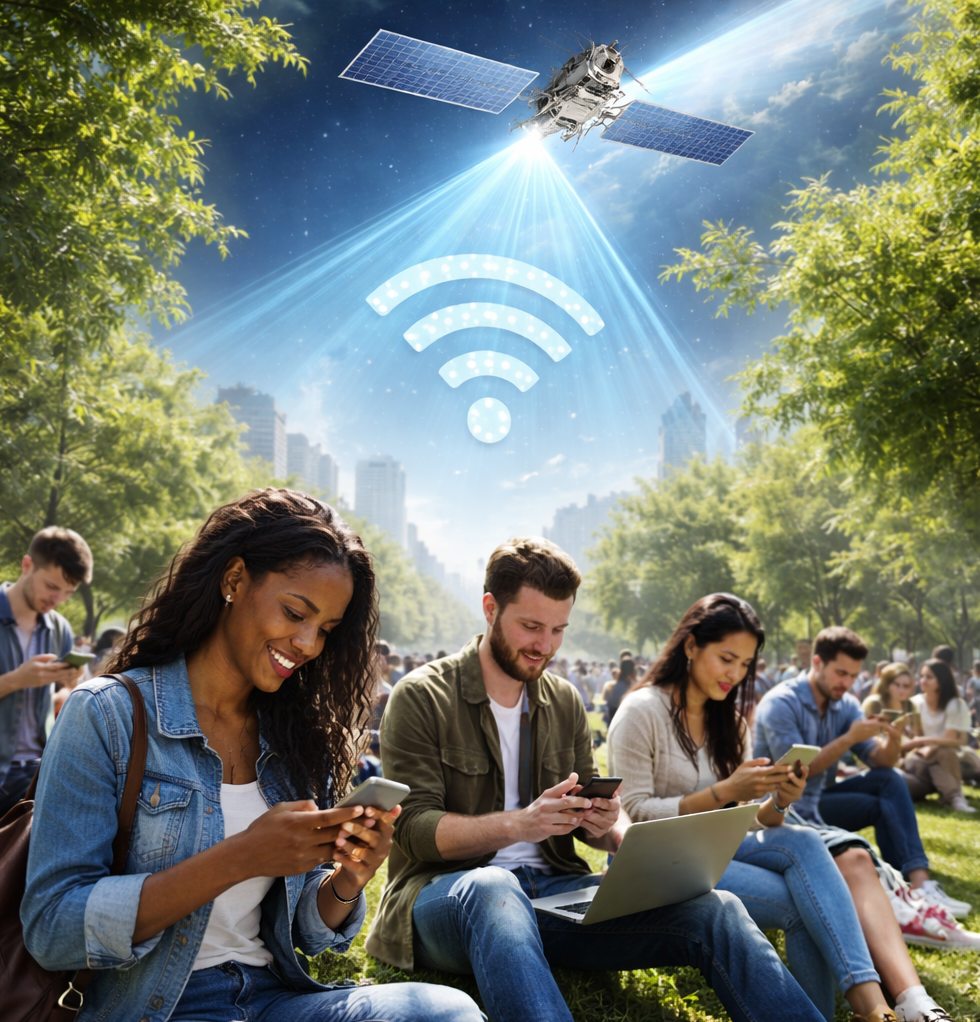
Imagine a world where connectivity is available to everyone, everywhere. This dream of providing global free WiFi access is no longer just an ambitious idea but a concrete plan under discussion by tech visionaries and policymakers alike. The notion of making the internet accessible to all corners of the globe is not just about convenience; it’s about leveling the playing field and unlocking opportunities for billions.
At the heart of this visionary plan is the belief that reliable internet access is a fundamental human right. The modern era demands connectivity for education, communication, and economic participation. However, there remains a stark reality: while some regions of the world thrive with high-speed internet, others struggle with limited or non-existent access. This digital divide exacerbates inequalities and hinders development.
The initiative to blanket the planet with free WiFi could transform countless aspects of daily life. Consider the impact on education; students in remote villages could attend virtual classrooms, accessing the same quality of education as their peers in urban centers. Information becomes democratized, empowering individuals with knowledge and tools previously beyond their reach.
The economic benefits are equally profound. Entrepreneurs in emerging markets would have the means to participate in the global economy, previously inaccessible markets become reachable, and local businesses can flourish as they tap into foreign consumer bases. Free WiFi could ignite a new wave of innovation and economic growth.
Yet, the execution of such a colossal task poses significant challenges. The infrastructure required is immense, involving satellites, ground stations, and routers in unprecedented quantities. Additionally, ensuring the security and privacy of this global network is paramount. Cybersecurity measures must be robust to protect users from potential threats.

There are already pilot projects paving the way for this global connectivity revolution. Organizations and governments are experimenting with technologies like satellite-based internet, high-altitude balloons, and drones to ensure seamless coverage across vast terrains. These pioneering efforts are laying the groundwork, proving that this ambitious dream is technically feasible.
Furthermore, the question of funding such an initiative is crucial. While the initial setup costs are daunting, the long-term societal benefits offer a compelling argument for investment. Public-private partnerships could play a pivotal role, combining resources and expertise from various sectors to make universal connectivity a reality.
Critics, however, are wary of monopolies and the concentration of power. The control of such a vast network by a few entities raises concerns about data privacy and net neutrality. Thus, transparent governance and international collaboration are essential to ensure that the benefits of free WiFi are equitably distributed and do not infringe on civil liberties.
A successful implementation of global free WiFi would represent a seismic shift in how we interact with the world. It could lead to unprecedented collaboration, innovation, and prosperity. But like all great revolutions, it requires vision, determination, and cooperation from all corners of the globe.
The debate around this initiative highlights a broader conversation about the priorities for our connected future. Will we prioritize universal access and invest collectively in this new frontier, or will the digital divide continue to widen, leaving many behind? As discussions progress, one thing is certain: the potential for positive change is enormous. The journey towards global free WiFi is a bold step into the future—a future where everyone has the opportunity to be a part of a connected world.
