Synaptic plasticity altering behavioral paradigms

The concept of synaptic plasticity is fundamental to understanding how the brain adapts and modifies behavior in response to various stimuli. This intrinsic adaptability allows the nervous system to reorganize itself in response to learning, experience, and environmental changes. The ability of synapses to strengthen or weaken over time, in response to increases or decreases in their activity, forms the basis for learning and memory. Synaptic plasticity not only alters the way neural networks function but also influences behavioral paradigms, leading to significant shifts in how organisms interact with their surroundings.
How Synaptic Plasticity Influences Behavioral Paradigms
Synaptic plasticity encompasses several phenomena, including long-term potentiation (LTP) and long-term depression (LTD). These processes are critical for the modulation of synaptic strength and are believed to be the cellular underpinning of learning and memory. The dynamic nature of synaptic connections allows the brain to adapt to new information and experiences, which in turn affects behavior. When synapses undergo alterations in strength, they can change the patterns of neural activity, leading to adjustments in behavior that can be observed in both short-term reactions and long-term adaptations.
Understanding the mechanisms of synaptic plasticity provides insights into the neural basis of behaviors, such as learning new skills, adapting to novel environments, and recovering from neurological injuries. The plastic nature of synapses allows for the formation of new neural pathways and the strengthening of existing ones, facilitating the acquisition of new knowledge and behaviors. This adaptability is essential for survival, enabling organisms to respond to changing environments and challenges.
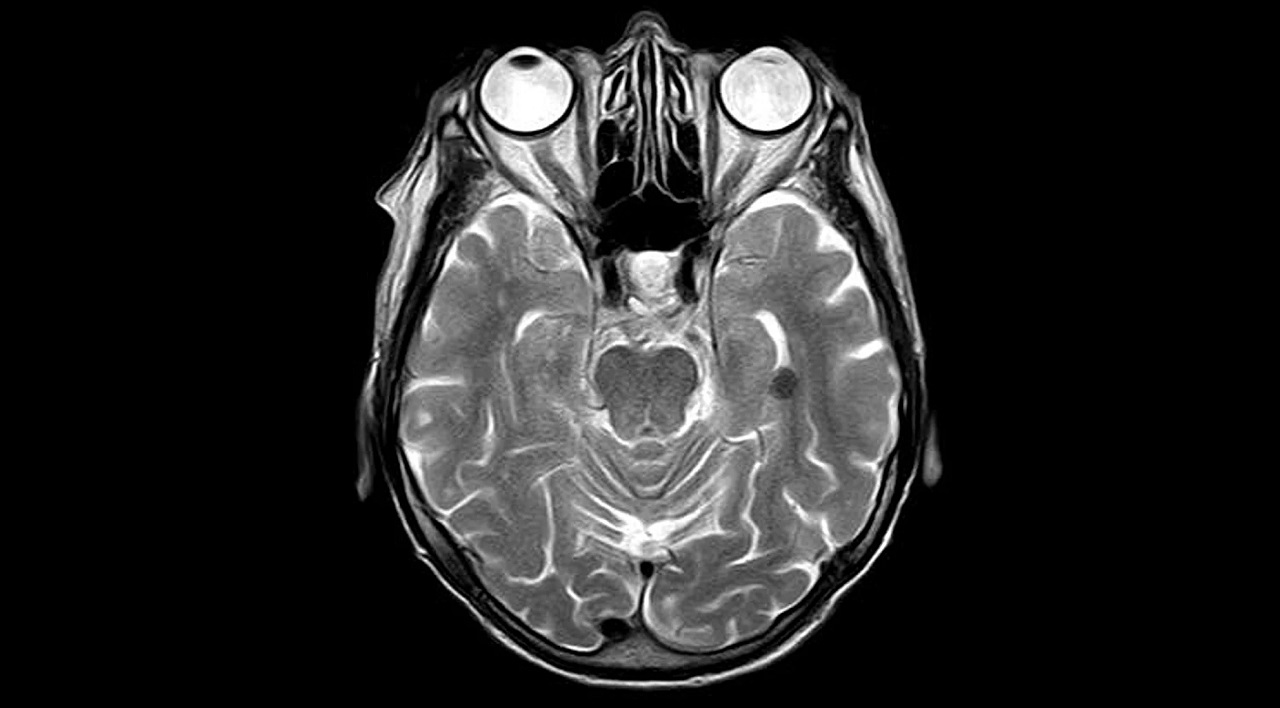
Mechanisms Underlying Synaptic Changes
The processes of LTP and LTD are governed by complex biochemical cascades that alter synaptic efficacy. These mechanisms involve the activation of specific receptors, such as NMDA and AMPA receptors, which play a significant role in the modulation of synaptic strength. The influx of calcium ions through these receptors triggers intracellular signaling pathways that result in the insertion or removal of receptor proteins from the synaptic membrane. This process is crucial for adjusting synaptic connectivity and is regulated by various molecular factors, including neurotransmitters, neuromodulators, and growth factors.
Strong neural activity often leads to the strengthening of synapses through LTP, while weaker activity can result in synaptic weakening via LTD. This bidirectional modulation allows for fine-tuning of synaptic connections, enabling precise control over neural circuits. Such precision is necessary for the execution of complex behaviors and the ability to learn from past experiences. The ability of synapses to undergo persistent changes in response to activity patterns highlights the importance of synaptic plasticity in driving behavioral adaptations.
Implications for Learning and Memory
The role of synaptic plasticity in learning and memory has been extensively studied, revealing its profound impact on cognitive processes. Learning involves the acquisition of new information, while memory pertains to the retention and retrieval of this information. Synaptic plasticity enables the formation of memory traces by modifying the strength of synaptic connections within neural networks. These modifications facilitate the storage and retrieval of information, which are essential for cognitive functions.
Recent research has shown that enhancing synaptic plasticity can improve learning and memory capabilities. This finding has significant implications for educational strategies and therapeutic interventions aimed at boosting cognitive performance. Conversely, impairments in synaptic plasticity are associated with various neurological disorders, such as Alzheimer’s disease and schizophrenia, highlighting the need for therapeutic approaches that target synaptic dysfunction.
Bullet Points: key Takeaways
A deeper understanding of synaptic plasticity and its impact on behavior can be summarized with several key points :
- Synaptic plasticity is a fundamental mechanism underlying learning and memory.
- Long-term potentiation (LTP) strengthens synaptic connections, enhancing memory and learning.
- Long-term depression (LTD) weakens synaptic connections, allowing for the refinement of neural circuits.
- Alterations in synaptic strength influence behavioral adaptations and cognitive processes.
- Impairments in synaptic plasticity are linked to various neurological disorders.
Future Directions in Synaptic Plasticity Research
The exploration of synaptic plasticity continues to be a vibrant field of research with numerous avenues for future investigation. Advances in imaging technology and molecular biology offer unprecedented insights into the dynamic processes occurring at synaptic junctions. These tools enable researchers to observe synaptic changes in real-time and manipulate specific components involved in synaptic regulation.
Developing a comprehensive understanding of synaptic plasticity and its behavioral consequences holds promise for novel therapeutic interventions. By targeting the molecular mechanisms that govern synaptic changes, it may be possible to develop treatments for cognitive impairments and neurodegenerative diseases. The potential to harness synaptic plasticity for enhancing cognitive abilities and treating disorders is an exciting prospect in neuroscience research.
As the understanding of synaptic plasticity deepens, its implications for behavior and cognition will continue to unfold, shedding light on the intricate workings of the brain. This knowledge not only enhances the comprehension of human behavior but also opens up new possibilities for improving mental health and cognitive function.
